

February 2025 · 5 Cities · 1,500 Participants
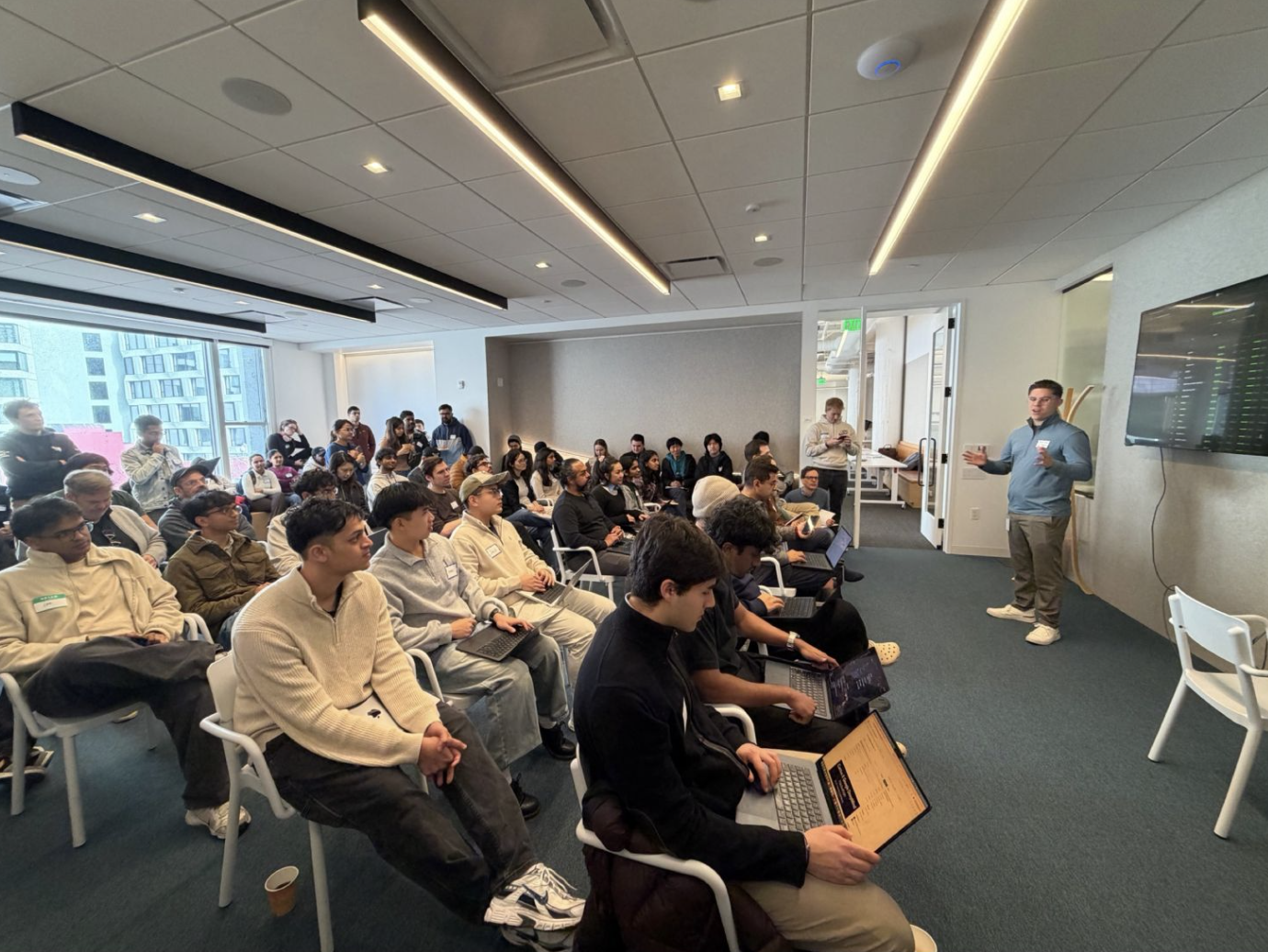
Cactus Compute needed to stress-test and improve their on-device AI infrastructure. Unlike generic hackathons where participants build whatever they want with an SDK, this event had a highly specific technical brief: achieve the lowest possible latency for on-device-to-cloud routing. When an AI model running locally hits something too complex, how do you route it to a cloud model in the least latent time possible?
This wasn't just a hackathon - it was a global benchmarking challenge. Cactus wanted the sharpest AI researchers in the world to push their SDK to its limits, surface edge cases, and show them exactly where they could make their software faster and better. Our job was to find those researchers, get them in a room, and run an event that would produce real, measurable results.
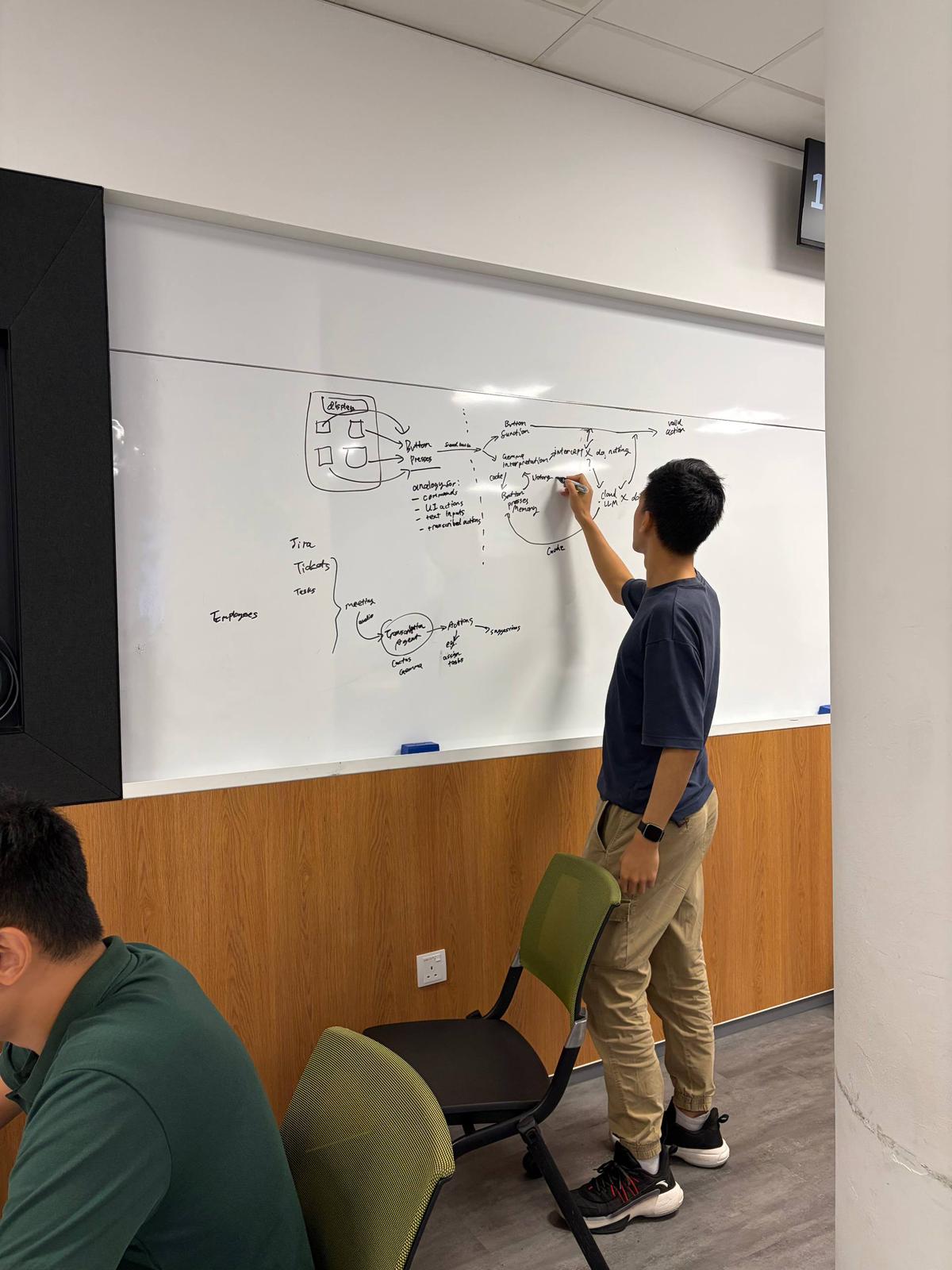
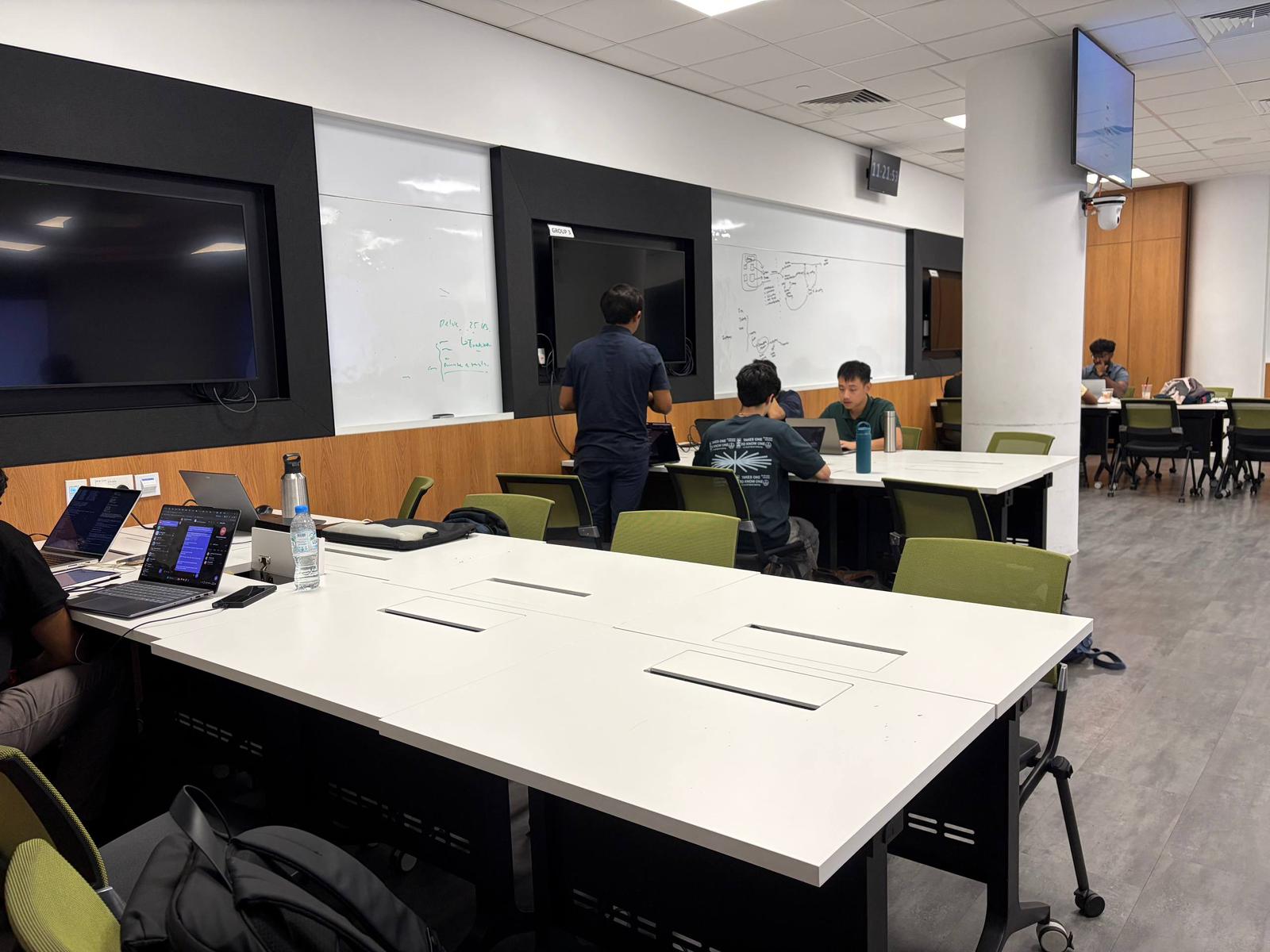
We designed a synchronous multi-city format across five locations, all running the same challenge simultaneously. Every participant competed on the same benchmarking problem: optimise on-device-to-cloud model routing for the lowest latency using the Cactus SDK. Shared timelines, unified scoring, and a single leaderboard meant teams in Singapore were competing head-to-head with teams in San Francisco.
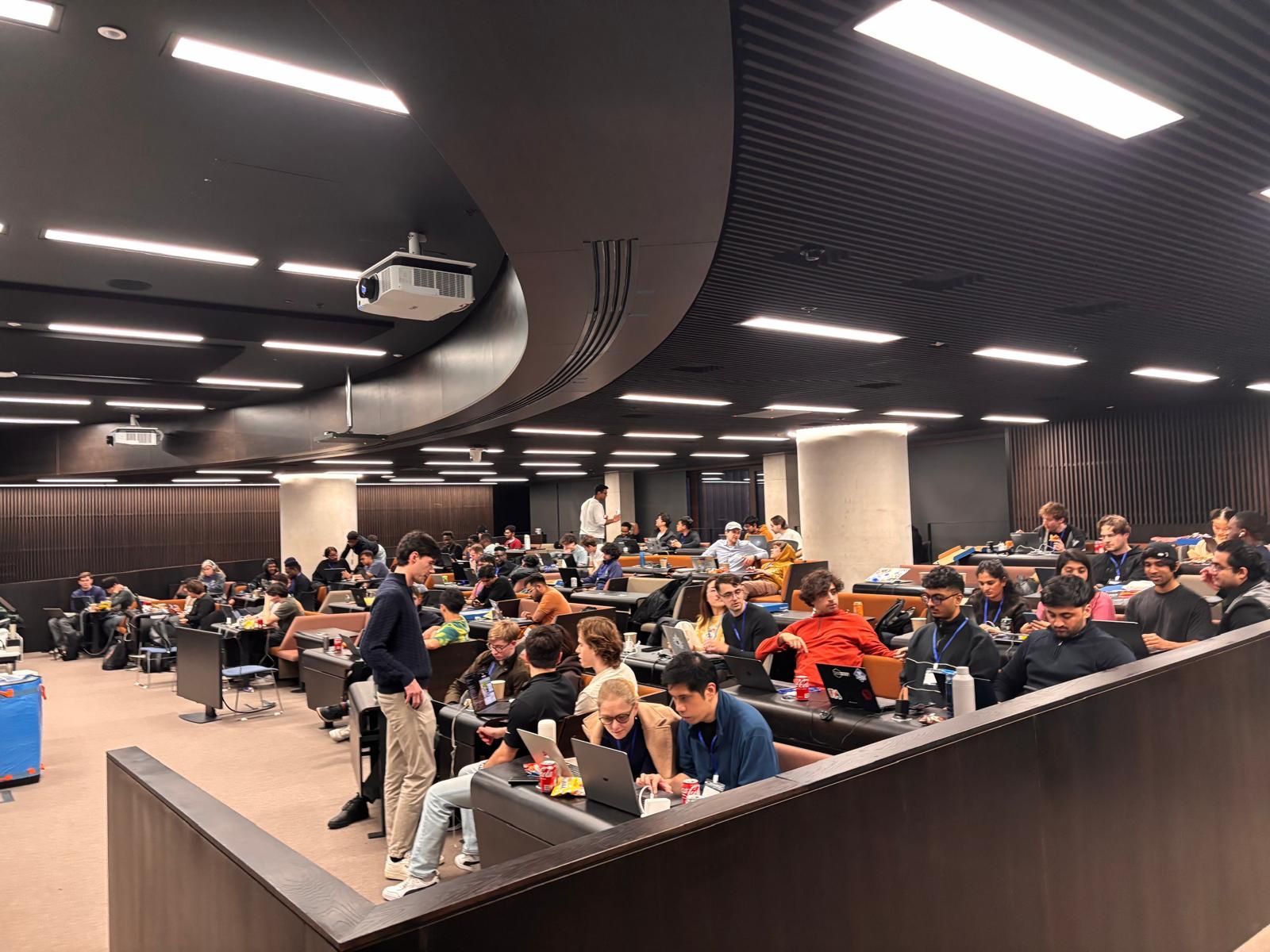
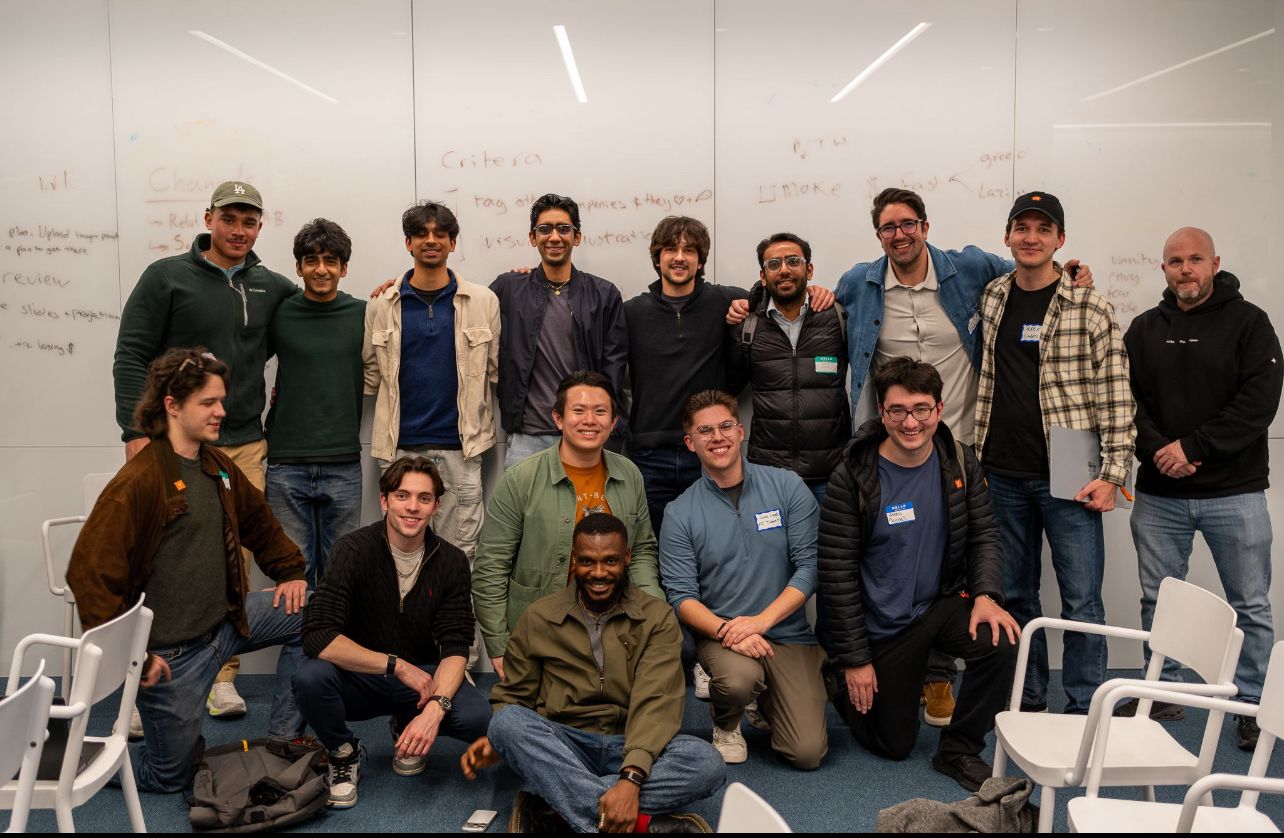
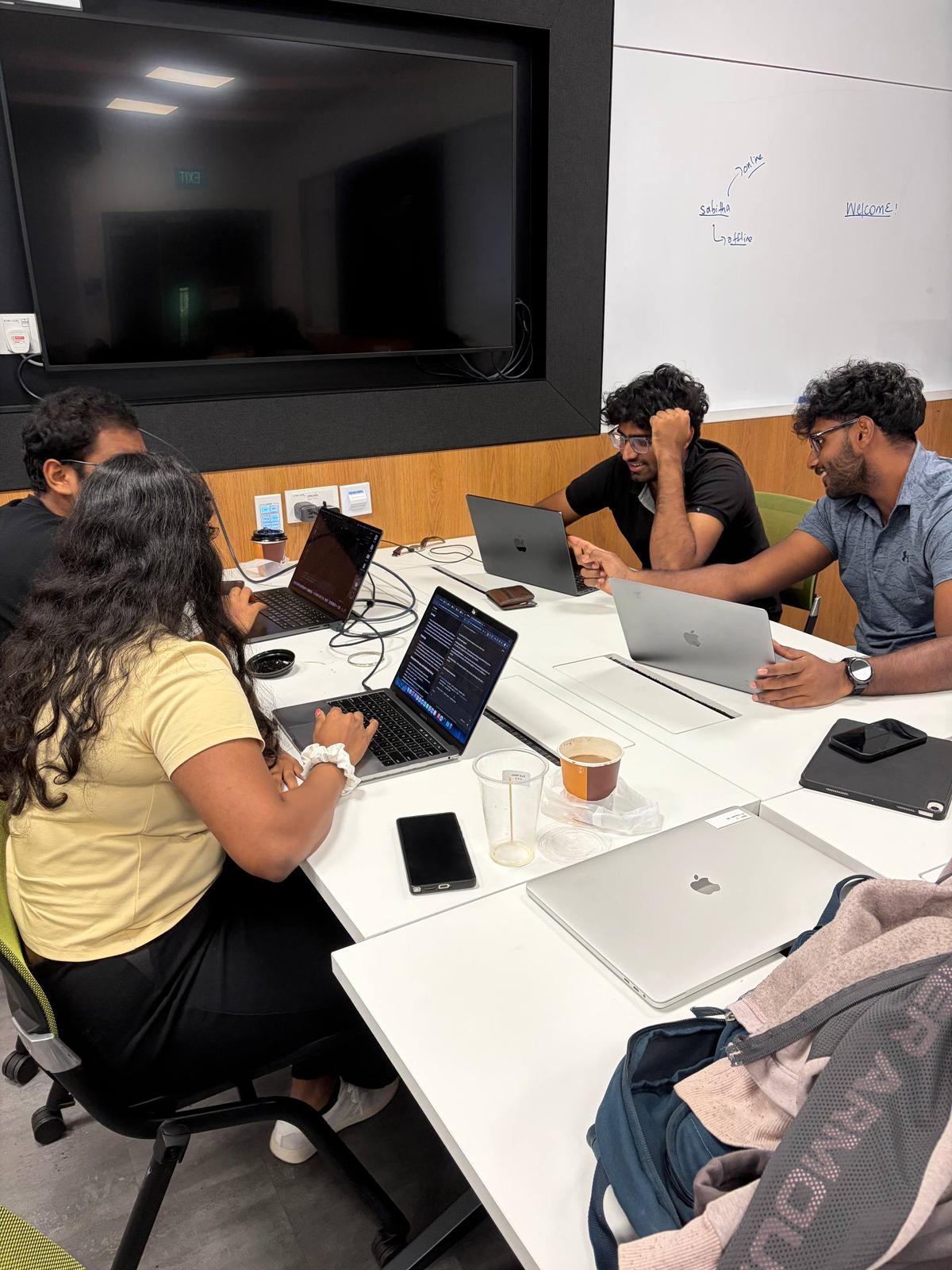
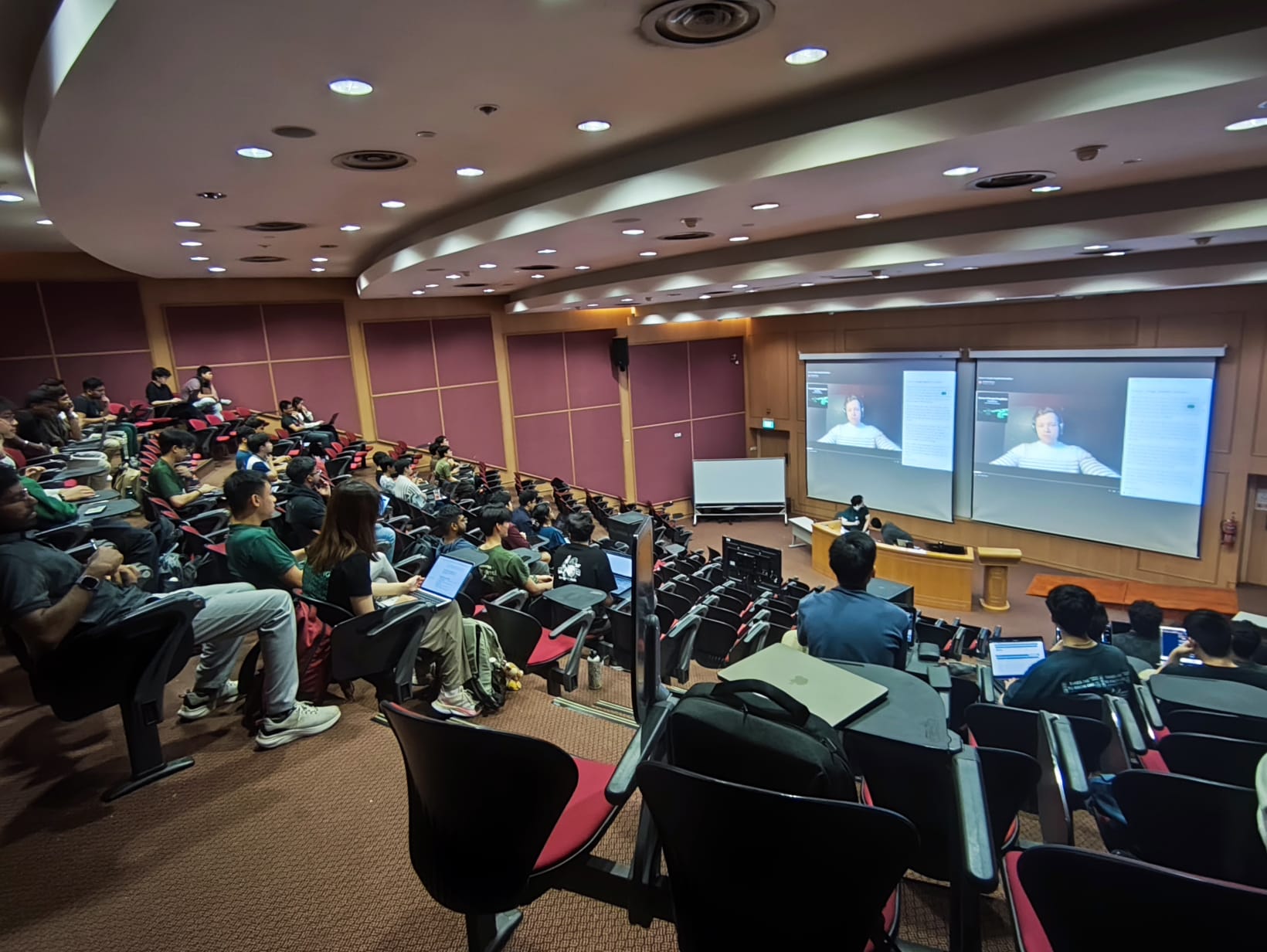
We specifically partnered with top universities - NUS, UCL, MIT - because we needed the best AI researchers, not just enthusiastic builders. Each city had its own venue, local mentors, and on-the-ground support, but the event was orchestrated centrally with coordinated announcements, live leaderboards, and shared communication channels.
The partnership with Google DeepMind was strategic. This event was designed to showcase what Cactus Compute's infrastructure could do, with DeepMind observing and mentoring. It created a bridge between the two companies - DeepMind got to see Cactus's capabilities in action, and Cactus got world-class technical mentorship for their participants.
The title sponsor and driving force behind the challenge. Cactus provided their SDK and compute infrastructure to all participants, then used the results to identify where their software could be improved. The hackathon produced real benchmarking data and edge cases that directly fed back into their product roadmap.
Provided technical mentors across all five cities who helped teams optimise their routing strategies and model architectures. Their involvement wasn't just about mentorship - it was a chance for DeepMind to evaluate Cactus's on-device infrastructure and explore potential partnership opportunities between the two companies.
Our Asia hub. We partnered with NUS specifically to tap into their AI research community. Strong turnout from NUS and NTU students with deep expertise in model optimisation.
Our home base and largest venue. UCL's AI and computer science departments brought serious research talent, making London the highest-performing city on the leaderboard.
A growing hub for AI policy and applied research. Teams here brought a unique perspective on latency challenges from government and defence-adjacent AI work.
A natural fit for this kind of deep technical challenge. MIT's AI research legacy meant teams here were some of the strongest competitors in the benchmarking challenge.
Silicon Valley's builders brought production-grade experience. Many participants were already working on on-device AI products, making their approach to the routing challenge highly practical.
The top submissions achieved latency scores that surprised even Cactus's engineering team. Several approaches revealed optimisation paths that Cactus had not previously considered, directly informing their SDK roadmap. The benchmarking data from 150+ teams gave Cactus a comprehensive picture of how their software performed under real-world conditions.
For Google DeepMind, the event demonstrated the maturity of Cactus's on-device infrastructure at scale. The partnership exploration that began at this hackathon continued beyond the event. For AI Nexus, it proved that a hackathon can be more than a build-whatever-you-want weekend - it can be a precision tool for advancing a company's technology.
"This was the best-organised hackathon I've ever attended. The fact that we were competing alongside teams in four other cities made it feel truly special."
"The Cactus SDK was surprisingly capable. We hit latency numbers we didn't think were possible on-device. The mentors from DeepMind helped us rethink our routing strategy completely."
"Having a specific technical challenge instead of an open brief made this so much more engaging. Everyone was solving the same hard problem, and the leaderboard made it electric."

Check out the full event on Luma
View eventA focused technical brief produced far more valuable output than an open-ended hackathon. Every submission directly advanced Cactus's understanding of their own product.
Partnering with top universities gave us access to the calibre of AI researchers needed to tackle a genuinely hard problem. This wasn't a weekend project - it required real expertise.
This hackathon wasn't just brand awareness. It generated benchmarking data, surfaced SDK improvements, and created a bridge between Cactus and Google DeepMind. A well-designed event is a strategic tool.
Running five cities on the same challenge at the same time created genuine competition and urgency. The shared leaderboard turned 1,500 individuals into one global event.
Whether you need to stress-test your SDK, recruit top talent, or build a bridge to a strategic partner - we design and run hackathons that deliver real results.